
Louisiana’s Parade Liability Law: What RS 9:2796 Really Does
Mardi Gras in Louisiana comes with beads, cups, and the occasional flying coconut. It also comes with a specific state law that limits when you can sue a krewe, parade organization, or certain festival groups if something goes wrong.
That law is Louisiana Revised Statute 9:2796.
The Basic Rule: Limited Lawsuits for Parade-Related Harm
RS 9:2796 says people generally do not have a cause of action against a krewe or parade organization for “loss or damage” caused by members during or related to certain parades and courirs. The big exception is when the harm was caused by a deliberate and wanton act or gross negligence.
The statute is written broadly and includes Mardi Gras parades, traditional rural Mardi Gras runs (including horseback and wagon-style setups), and even events held on public streets, private property, waterways, or inside buildings.
Throws are Part of the Deal, Legally Speaking
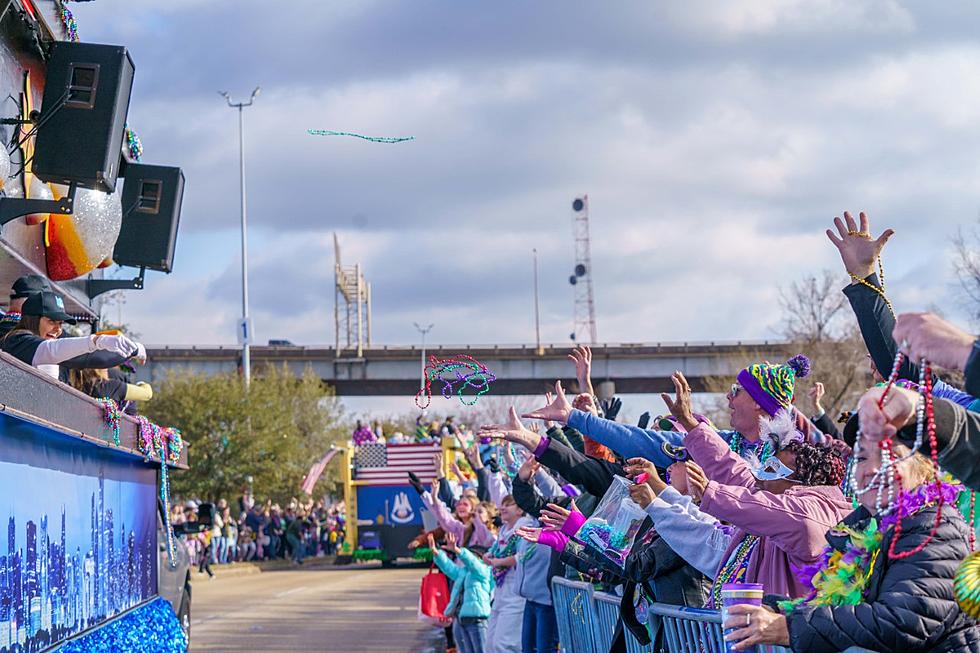
The law also spells out something parade regulars already know in their bones. If you are attending or participating in certain organized parades that begin and end between 6:00 a.m. and midnight on the same day, you “assume the risk” of being struck by traditional throws.
READ MORE: SPD Investigates Fight that Led to Woman Being Run Over by Truck Pulling Mardi Gras Float
It even lists examples: beads, cups, coconuts, and doubloons. The same “gross negligence or deliberate and wanton act” exception still applies.
What About Float Movement & Contractors?
Another piece many people miss: the protections can extend to a krewe’s hired contractors and their employees when a claim involves the operation, transfer, or movement of a motor-drawn float or vehicle connected to a Mardi Gras parade. Again, the exception is deliberate and wanton behavior or gross negligence.
It’s not just Mardi Gras Parades
RS 9:2796 says its provisions also apply to St. Patrick’s Day, Veteran’s Day, Christmas parades and any other parade, which matters for spring parade season across Louisiana communities.

This law is protecting the industry that brings so much joy and so many tourists to our state.
Long story short: Your mistake is not necessarily someone else's fault, and the law protects everyone else from having to pay for your poor choice.